Presales — up to €300 off per person
✦✦Presales — up to €300 off per person
✦✦Presales — up to €300 off per person
✦✦September Can Be The Best Time to Visit Ostuni (And What to Do When You Get There)
September in Ostuni is one of those things that is hard to explain until you have been there. The summer crowds are gone, the sea is still warm, the city starts to slow down while keeping its vibrancy.
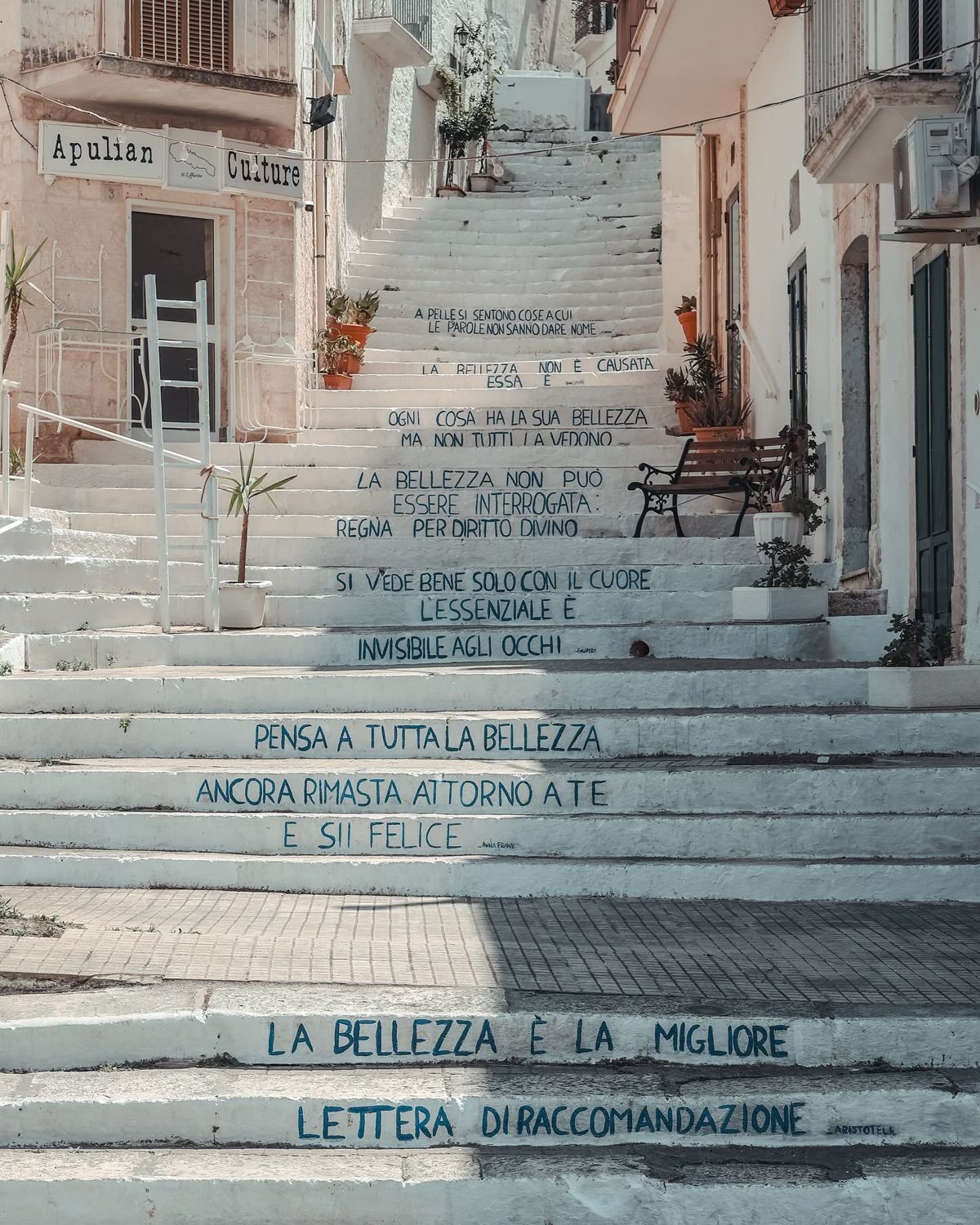
There is no doubt Ostuni is one of the highlights of any trip to Apulia, in south of Italy. But going there is September is one of the most special things you can do. First of all, we are at the end of summer. The temperatures are warm by day and comfortable in the evening. The sea is at its warmest. The Adriatic has been heating since June and peaks in September, which makes it the best swimming month of the year. Every restaurant, shop and bar is open. The city is fully alive.
What September does is remove the excess. The crowds that pack the centro storico in July and August thin out significantly after the first week. You walk the same streets but at a different pace. You can stop, look up, sit down without feeling like you are blocking someone else's photo.
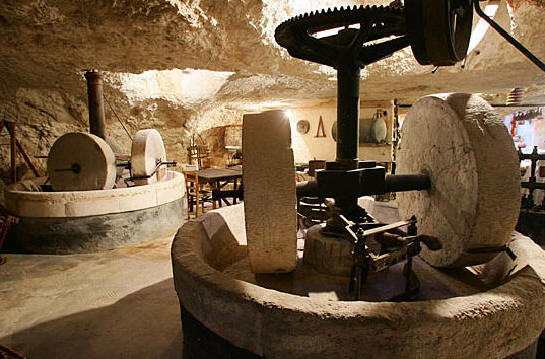
It’s also harvest season. The first olive pressings begin. Tomatoes are at their peak. The local markets fill with things that genuinely taste like where they come from. If you want to understand what Apulian food is about, this is the time to be here. Something is missing in the experience itself: the sense that you are somewhere, with someone, doing something that actually matters to you.
We live in a time of extraordinary connectivity. We are reachable at all hours, visible on every platform, surrounded by content and noise and the presence of others. And yet something that feel natural like genuine human connection, has become increasingly rare. We are more connected than ever and more lonely than we expected to be.
This is why small group luxury retreats have become one of the most sought-after travel experiences in 2026. Not because they are more expensive or more exclusive. Because they offer something that most of modern life does not: real presence with real people.
What makes Ostuni what it is
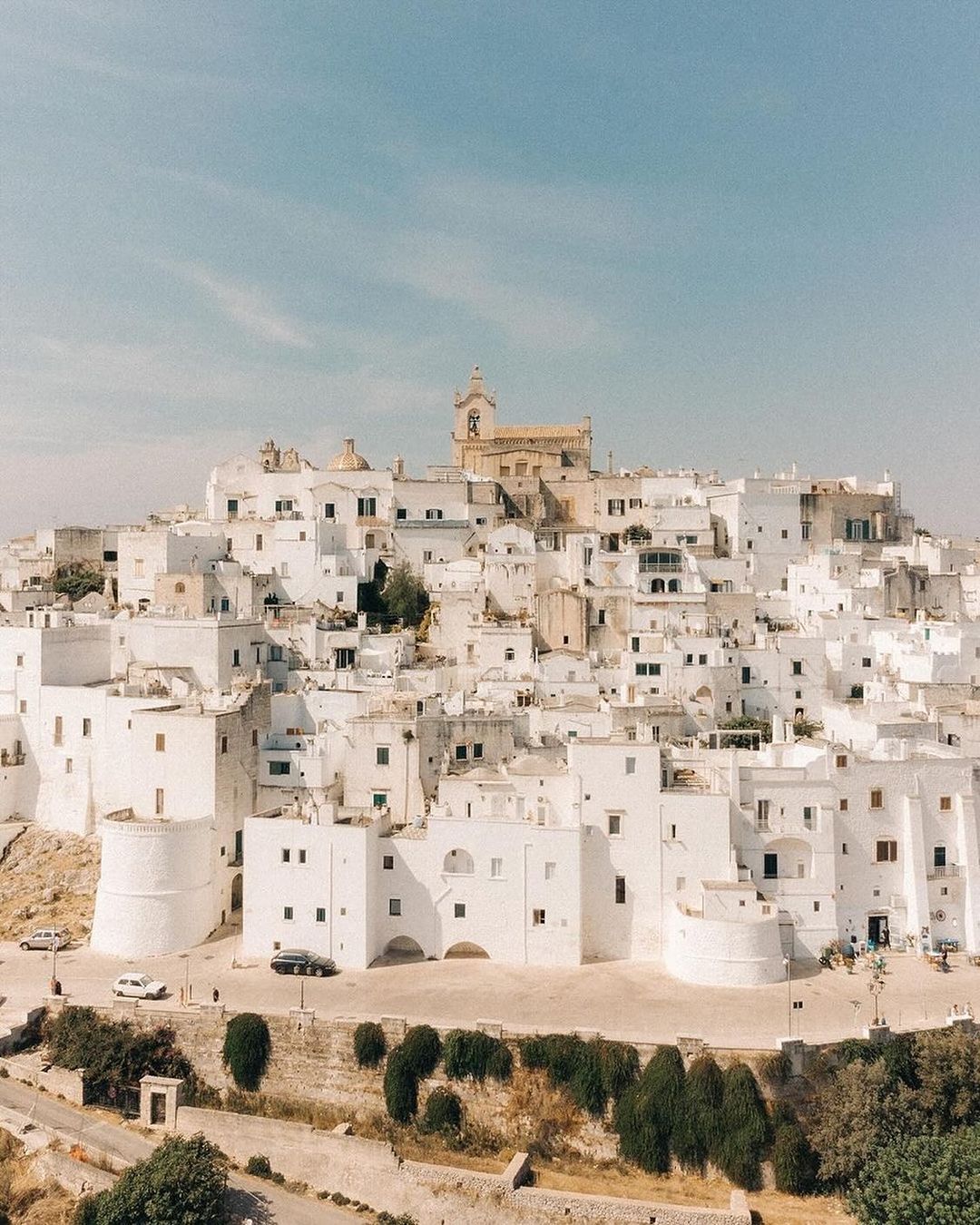
Ostuni sits on three hills in the province of Brindisi, about 8km from the Adriatic coast and 200 metres above sea level. It has been continuously inhabited since the Palaeolithic period. Evidence of Neanderthal settlement dates to 50,000 years ago. In 1991, archaeologists discovered the skeleton of a 25,000-year-old pregnant woman in a grotto near the city. She is known as Delia, and her remains are displayed in the Church of San Vito Martire.
The old town as it looks today is the result of centuries of conquest and layering. Messapians, Romans, Byzantines, Normans, Swabians, Angevins and Aragonese all left something behind. The labyrinth of narrow alleys was not built randomly.
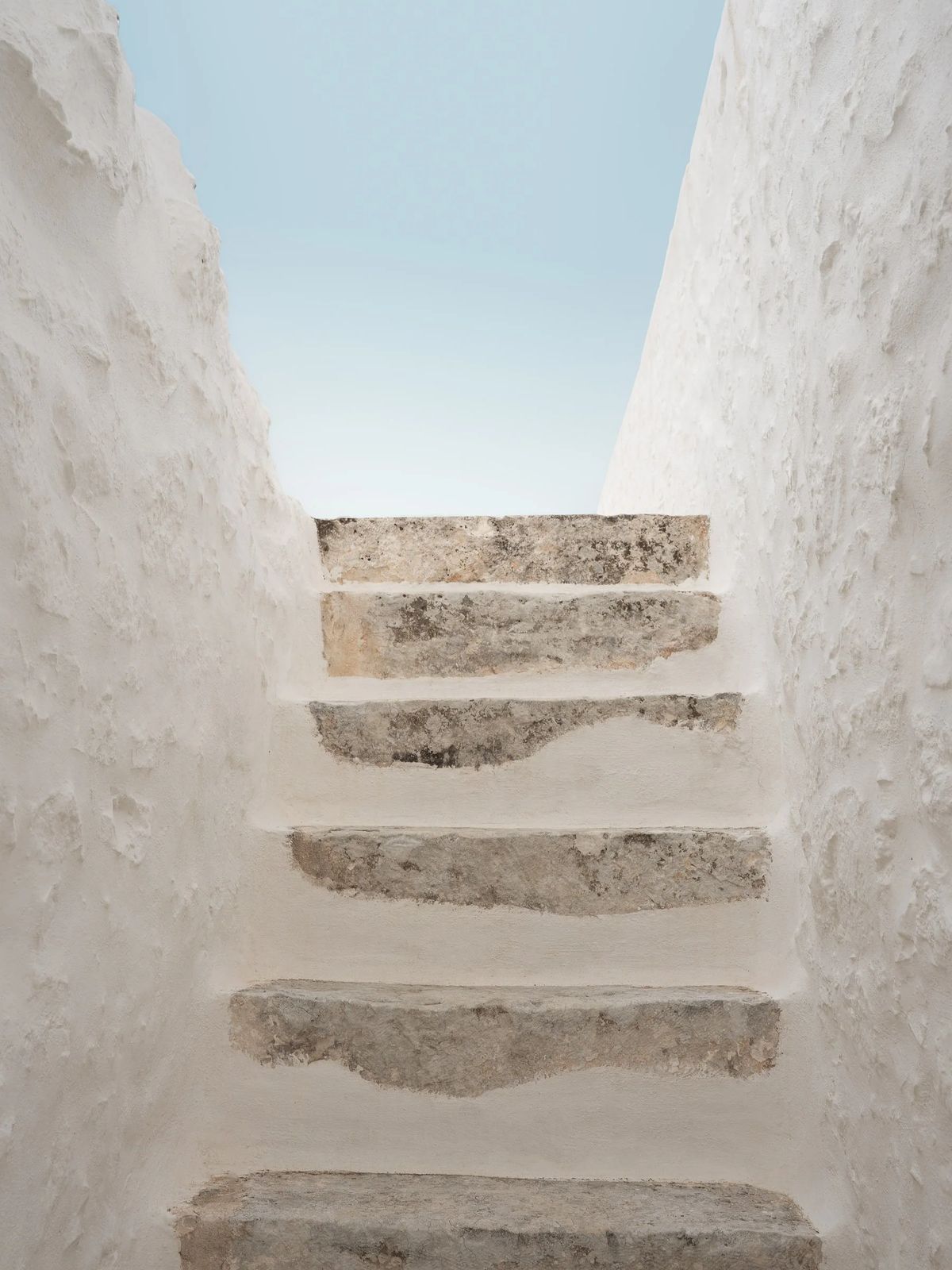
The medieval layout was deliberately designed to disorient invaders. The whitewashing of buildings began in the 17th century as a practical response to the plague: lime has natural antibacterial properties, and infected houses were painted with it.
The local government still requires all buildings in the historic centre to be painted white and subsidises half the cost every two years.
The city sits on the fault line between the Gothic architecture of the north and the Romanesque and Baroque of southern Puglia, which makes it architecturally unusual for the region.
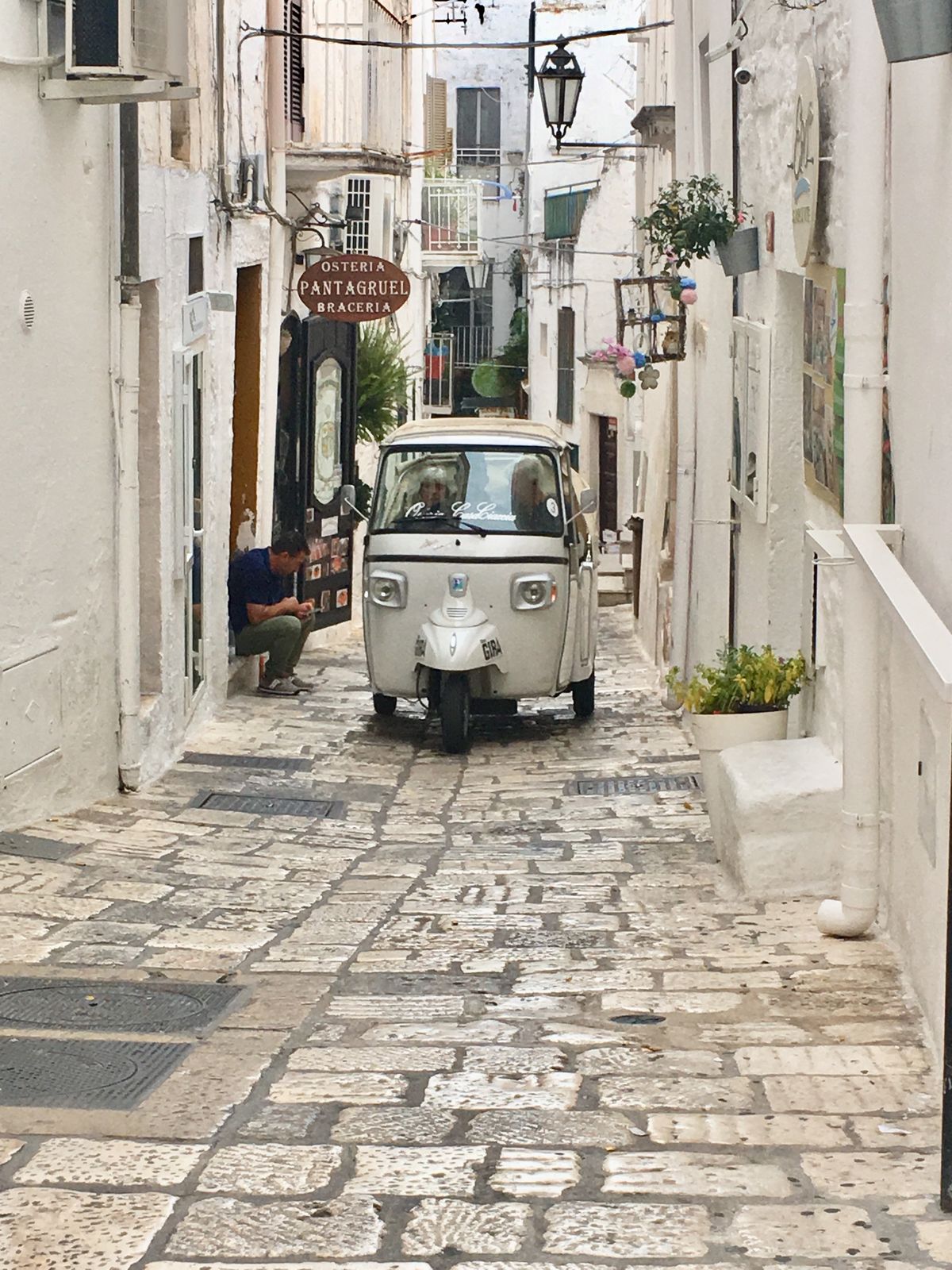
5 things not to miss in your day trip to Ostuni
1. The Cathedral of Santa Maria Assunta. Built in the late 1400s, it is one of the rare examples of late Gothic architecture in Puglia. The rose window above the main portal has 24 carved stone ribs and is one of the largest of its kind in the world.
2. The Arco di Scoppa and Piazzetta Cattedrale.
Right next to the cathedral, this is one of the most overlooked spaces in Ostuni. A stone arch from 1750, a bishop's palace, a seminary, all in a square barely larger than a living room. Most visitors walk through without stopping. Please, stop to admire.
3. The city walls and the two historic gates. Porta Nova and Porta San Demetrio are still standing. Walking the walls at sunset, when the white stone turns gold, is the best way to feel the scale and the setting of the city. On clear days you can see the Adriatic Sea.
4. Bar Pasticceria da Pasquale.
A local institution near the centro storico. Order the pasticciotto, order the tetta della monaca, and have your coffee standing at the counter the way Italians do.
5. The Museum of Preclassical Civilisations in the Church of San Vito Martire.
This is where the skeleton of Delia is kept. One of the most undervisited cultural sites in southern Puglia, documenting human presence in the region from the Palaeolithic through the Iron Age.
What to eat
Ostuni is Puglia's breadbasket in the most literal sense. The local extra virgin olive oil is produced from groves that surround the city, some containing trees over 2,000 years old.
The dishes worth knowing: orecchiette with cime di rapa, ciceri e tria (a pasta and chickpea dish with fried noodles unique to the region), frisa con pomodoro (a dried bread ring soaked in water, topped with raw tomatoes and oil), and any burrata made locally, which tastes nothing like what you buy elsewhere.
Avoid eating directly on Piazza della Libertà. Walk one or two streets away and the quality goes up and the price goes down.
What to bring home
Fischietti, small handmade clay figurines that also function as whistles, are a traditional Ostuni craft found in artisan shops throughout the old town. Local extra virgin olive oil is the other obvious answer, but buy it from a deli or a small producer rather than a souvenir shop. The shops on Via Cattedrale stock both.
Ostuni with noi.retreats
Ostuni is one of the two towns we visit during the Wild & Free Retreat in September. We arrive in the early afternoon, explore on our own terms and stay until the city starts to slow down in the evening. No guided tour, no fixed agenda. The city itself is the experience and you are free to feel it and explore.
Wild&Free takes place in Apulia from September 21-24 in 2026.
Book a call with us at noireflections.com/retreats.
noi. is a luxury wellness retreat brand based in Italy. Our retreats are intimate, emotion-led experiences for people who want to feel, not just experience. noireflections.com | info@noireflections.com
September Can Be The Best Time to Visit Ostuni (And What to Do When You Get There)
September in Ostuni is one of those things that is hard to explain until you have been there. The summer crowds are gone, the sea is still warm, the city starts to slow down while keeping its vibrancy.
There is no doubt Ostuni is one of the highlights of any trip to Apulia, in south of Italy. But going there is September is one of the most special things you can do.
First of all, we are at the end of summer. The temperatures are warm by day and comfortable in the evening.
The sea is at its warmest. The Adriatic has been heating since June and peaks in September, which makes it the best swimming month of the year.
Every restaurant, shop and bar is open. The city is fully alive without all the excess.
The crowds that pack the centro storico in July and August thin out significantly after the first week.
You walk the same streets but at a different pace. You can stop, look up, sit down without feeling like you are blocking someone else's photo.
It’s also harvest season. The first olive pressings begin. Tomatoes are at their peak. The local markets fill with things that genuinely taste like where they come from. If you want to understand what Apulian food is about, this is the time to be here. Something is missing in the experience itself: the sense that you are somewhere, with someone, doing something that actually matters to you.
What makes Ostuni what it is
Ostuni sits on three hills in the province of Brindisi, about 8km from the Adriatic coast and 200 metres above sea level. It has been continuously inhabited since the Palaeolithic period. Evidence of Neanderthal settlement dates to 50,000 years ago. In 1991, archaeologists discovered the skeleton of a 25,000-year-old pregnant woman in a grotto near the city. She is known as Delia, and her remains are displayed in the Church of San Vito Martire.
The old town as it looks today is the result of centuries of conquest and layering. Messapians, Romans, Byzantines, Normans, Swabians, Angevins and Aragonese all left something behind. The labyrinth of narrow alleys was not built randomly.
The medieval layout was deliberately designed to disorient invaders. The whitewashing of buildings began in the 17th century as a practical response to the plague: lime has natural antibacterial properties, and infected houses were painted with it.
The local government still requires all buildings in the historic centre to be painted white and subsidises half the cost every two years.
The city sits on the fault line between the Gothic architecture of the north and the Romanesque and Baroque of southern Puglia, which makes it architecturally unusual for the region.
5 things not to miss in your day trip to Ostuni
1. The Cathedral of Santa Maria Assunta.
Built in the late 1400s, it is one of the rare examples of late Gothic architecture in Puglia. The rose window above the main portal has 24 carved stone ribs and is one of the largest of its kind in the world.
2. The Arco di Scoppa and Piazzetta Cattedrale.
Right next to the cathedral, this is one of the most overlooked spaces in Ostuni. A stone arch from 1750, a bishop's palace, a seminary, all in a square barely larger than a living room. Most visitors walk through without stopping. Please, stop to admire.
3. The city walls and the two historic gates.
Porta Nova and Porta San Demetrio are still standing. Walking the walls at sunset, when the white stone turns gold, is the best way to feel the scale and the setting of the city. On clear days you can see the Adriatic Sea.
4. Bar Pasticceria da Pasquale.
A local institution near the centro storico. Order the pasticciotto, order the tetta della monaca, and have your coffee standing at the counter the way Italians do.
5. The Museum of Preclassical Civilisations in the Church of San Vito Martire.
This is where the skeleton of Delia is kept. One of the most undervisited cultural sites in southern Puglia, documenting human presence in the region from the Palaeolithic through the Iron Age.
What to eat
Ostuni is Puglia's breadbasket in the most literal sense. The local extra virgin olive oil is produced from groves that surround the city, some containing trees over 2,000 years old.
The dishes worth knowing: orecchiette with cime di rapa, ciceri e tria (a pasta and chickpea dish with fried noodles unique to the region), frisa con pomodoro (a dried bread ring soaked in water, topped with raw tomatoes and oil), and any burrata made locally, which tastes nothing like what you buy elsewhere.
Avoid eating directly on Piazza della Libertà. Walk one or two streets away and the quality goes up and the price goes down.
What to bring home
Fischietti, small handmade clay figurines that also function as whistles, are a traditional Ostuni craft found in artisan shops throughout the old town. Local extra virgin olive oil is the other obvious answer, but buy it from a deli or a small producer rather than a souvenir shop. The shops on Via Cattedrale stock both.
Ostuni with noi.retreats
Ostuni is one of the two towns we visit during the Wild&Free Retreat in September. We arrive in the early afternoon, explore on our own terms and stay until the city starts to slow down in the evening. No guided tour, no fixed agenda. The city itself is the experience and you are free to feel it and explore.
Wild&Free takes place in Apulia from September 21st-24th in 2026.
Book a call with us at noireflections.com/retreats.
noi. is a luxury wellness retreat brand based in Italy. Our retreats are intimate, emotion-led experiences for people who want to feel, not just experience. noireflections.com | info@noireflections.com