Montepulciano: Vino Nobile and the Art of Truly Tasting
A hilltop Renaissance town, underground cellars carved into tuff rock, and a wine that a 17th century poet once called the king of Tuscan wines. Some afternoons deserve to be this good.
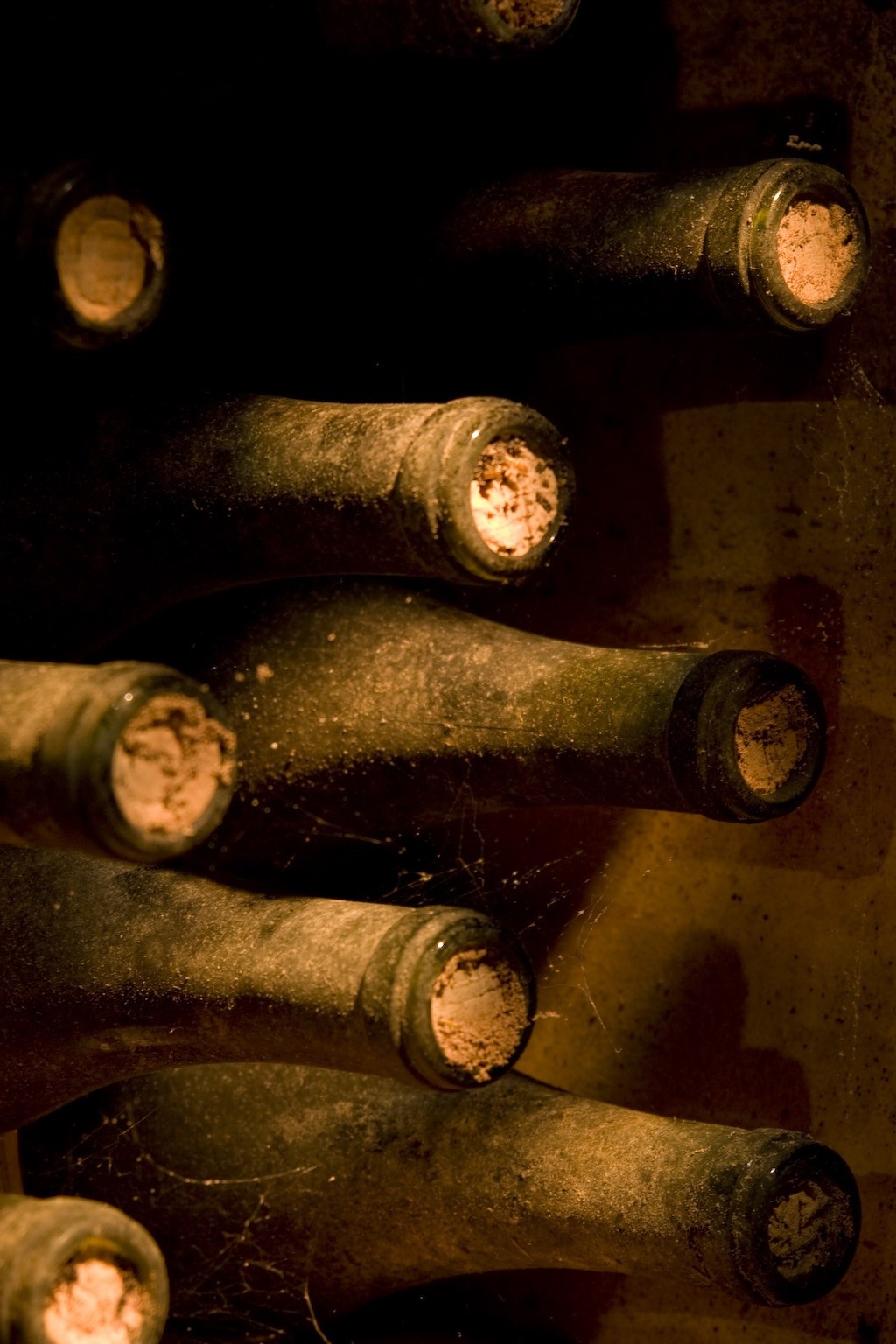
There is a particular kind of afternoon in Tuscany.
You arrive somewhere, start walking, turn a corner, find a terrace with a view that stops your breath, and someone hands you a glass of red wine. You sit. You look. You taste.
Montepulciano is built for exactly that afternoon.
The Town Itself
Montepulciano is the highest of Tuscany’s hilltop towns, sitting at 605 metres above sea level at its peak. From up here, the Val d’Orcia spreads in one direction and the Val di Chiana in the other. On a clear day you can see Siena. The view is reason enough to come.
The town dates back to the Etruscans in the 4th century BC, and its medieval and Renaissance layers accumulated under the powerful influence of the Medici in the 16th century.
Walking the Corso, the main street that climbs steadily from the lower gate to the top, is a lesson in five centuries of Tuscan ambition.
Palazzo Bucelli near the entrance is decorated with a mosaic of Etruscan urns embedded into its base wall. Noble Renaissance palazzi line the way up, their stone facades carrying the dignity of families who shaped this region for generations.
The 5 Must in Montepulciano
1. Piazza Grande.
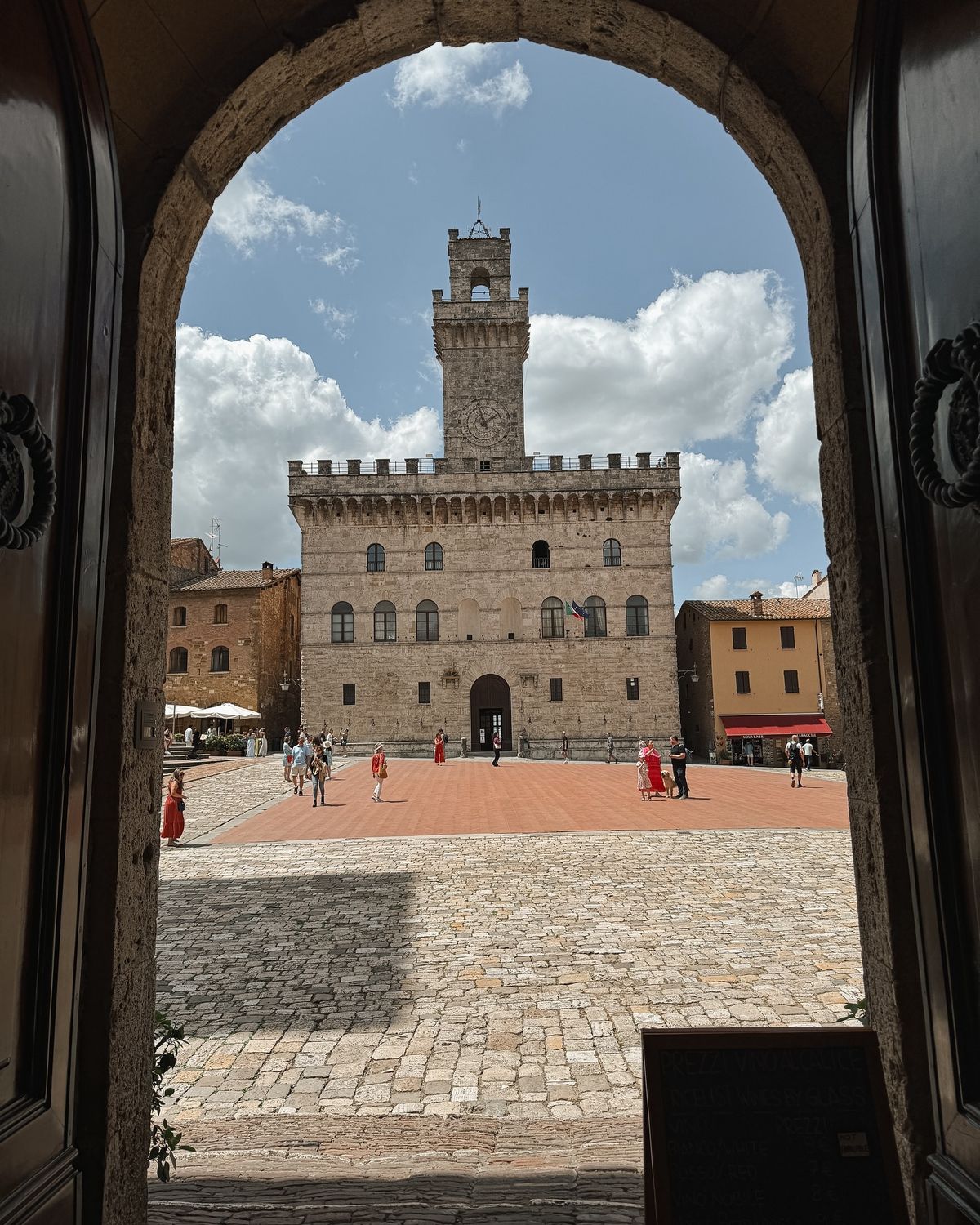
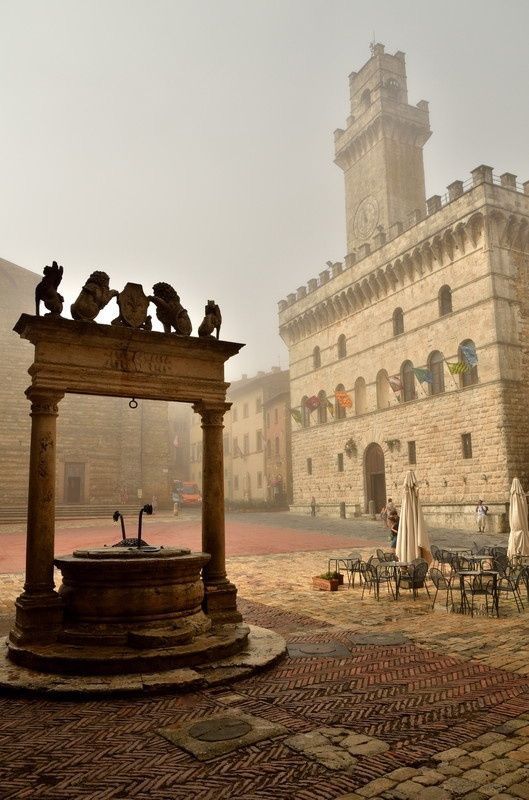
The main square sits at the very top of the town and is the heart of everything. The 15th century Palazzo Comunale anchors one side. The Duomo, the well of Grifi e Leoni designed by Antonio da Sangallo, and the surrounding Renaissance palazzi complete the picture. Sit here long enough and you understand why Tuscany produced so many painters.
2. The Palazzo Comunale tower.
Climb it. The view from the top is one of the best in all of Tuscany and entirely free.
3. Tempio di San Biagio.
A few minutes walk below the city walls, this Renaissance church designed by Antonio da Sangallo il Vecchio stands alone in open countryside. Built between 1518 and 1548 in travertine stone, with a Greek cross plan and a soaring central dome, it is one of the most beautiful and serene buildings in Tuscany. Worth every step of the walk down.
4. The underground cellars.
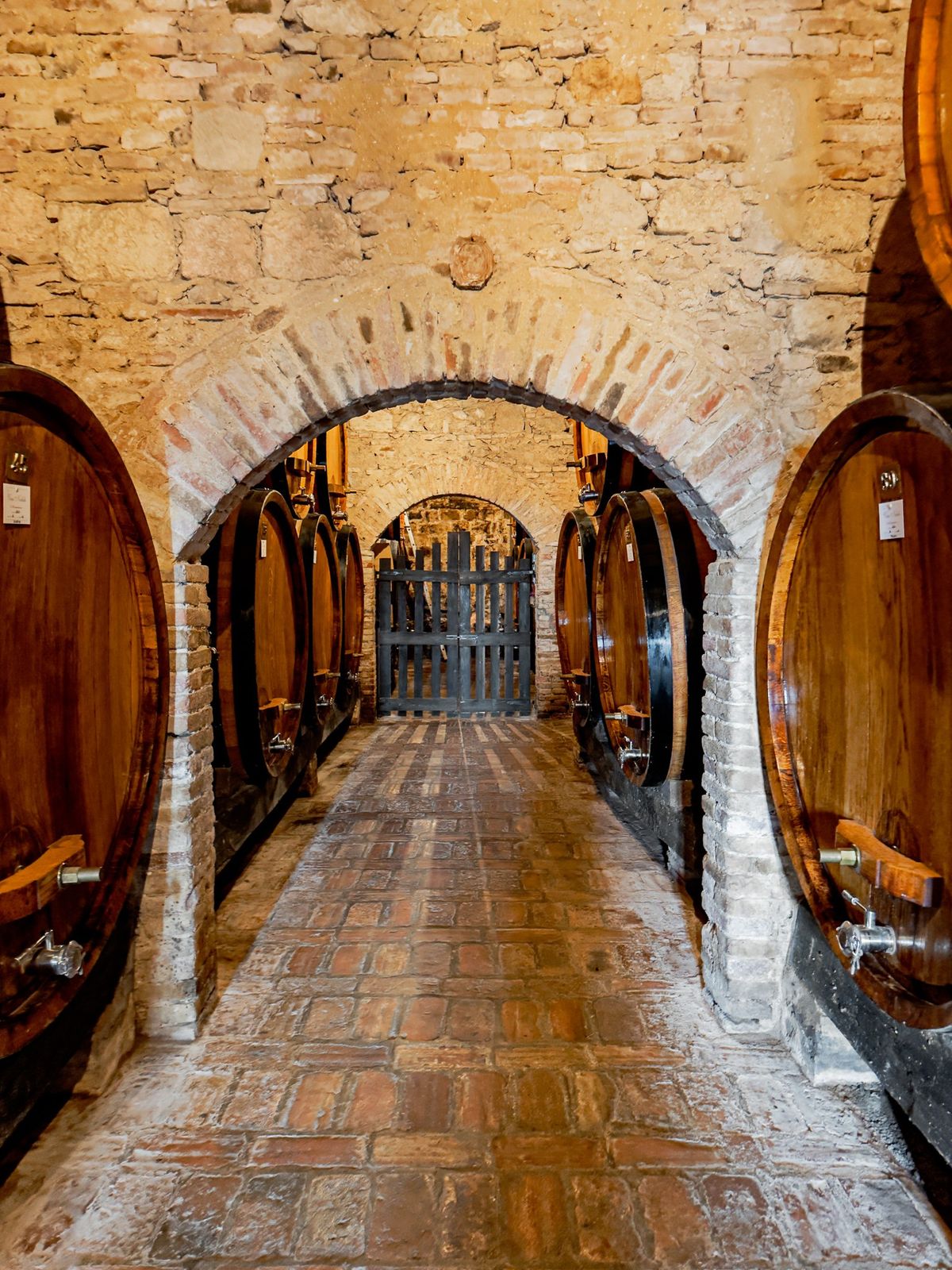
Montepulciano has a remarkable network of historic cantinas carved directly into the tuff rock beneath the Renaissance palazzi. These are not just wine cellars. They are tunnels, vaulted chambers, ancient Etruscan passages and occasionally, as with Cantine Ercolani, an actual Etruscan tomb from the 4th century BC. Walking them is genuinely extraordinary.
5. Pici.
Before or after the wine tasting, sit down in a trattoria and order pici, the thick hand-rolled pasta native to this area. With a meat ragù or with cacio e pepe. This is one of the great simple pleasures of Tuscany and Montepulciano does it better than almost anywhere.
Vino Nobile: The King of Tuscan Wines
In 1685, the poet Francesco Redi wrote a poem in praise of Italian wines. He tasted his way across the peninsula and declared Vino Nobile di Montepulciano the king of all Tuscany. Three and a half centuries later, the wine world tends to agree.
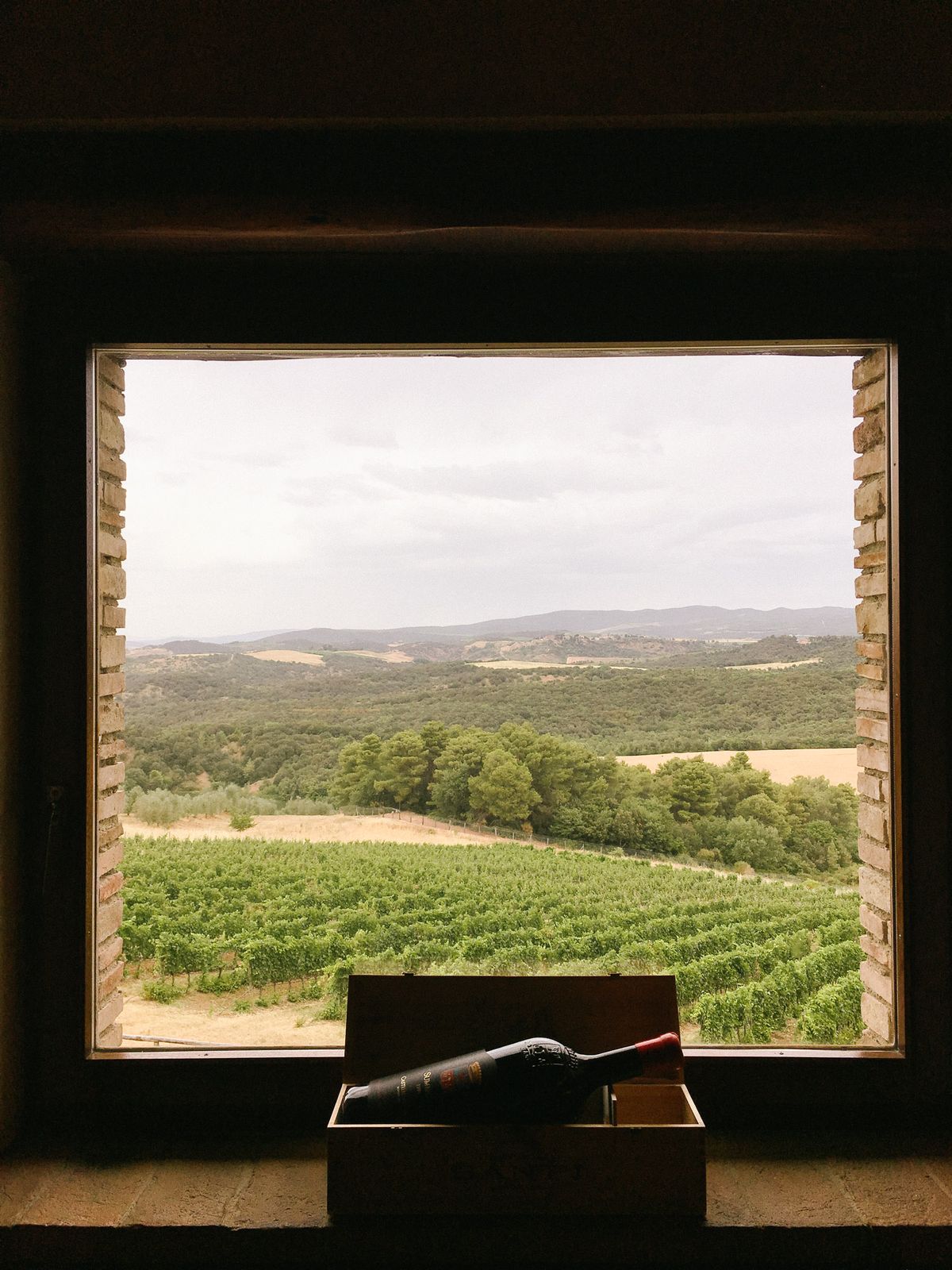
Vino Nobile is made predominantly from Sangiovese grapes, grown on the hillside vineyards surrounding the town at altitudes between 250 and 600 metres. The combination of altitude, volcanic soil and the particular microclimate between the two valleys produces a wine with a character that is distinctly its own.
It is a full-bodied red, deep garnet in colour, with notes of dried cherry, plum and violets, layered with leather, tobacco and sometimes a hint of earth. It has structure and depth. It asks you to slow down. You cannot rush through a glass of Vino Nobile and you would not want to.
The wine is aged for a minimum of two years before release, at least one of which is in oak. Riserva versions are aged three years. This is why it rewards patience and why it rewards the right moment, which an afternoon in Montepulciano certainly is.
For everyday drinking, ask for the Rosso di Montepulciano, the younger sibling made from the same vineyards. It is more accessible, livelier, and pairs beautifully with a plate of pici.
How We Experience Montepulciano at noi.retreats
During Beauty Heals, we take guests to Montepulciano for an afternoon visit and wine tasting.
We walk the Corso slowly. We stop at Piazza Grande and let the architecture settle in. We descend into a cellar. We taste. We talk, or we do not. Both are fine.
What we have noticed over and over is that something about being underground, in the quiet, holding a glass of wine that took two years to become what it is, invites a particular kind of presence. You are just here, in this ancient place, tasting something that the land made.
That is beauty. Slow, old, deep beauty.
Beauty Heals takes place in May 2026 in a private villa in the Tuscan hills, minutes from Montepulciano and the Val d’Orcia. Maximum 10 guests.
Book a call with us.
noi. is a luxury wellness retreat brand based in Italy. Our retreats are intimate, emotion-led experiences for people who want to feel, not just experience. noireflections.com | info@noireflections.com